
 Trip planning
2026.11 Furano, Hokkaido Notes after first snow
Summer flowers or winter snow: when should you visit Furano?
The four seasons, the busiest months and the weather
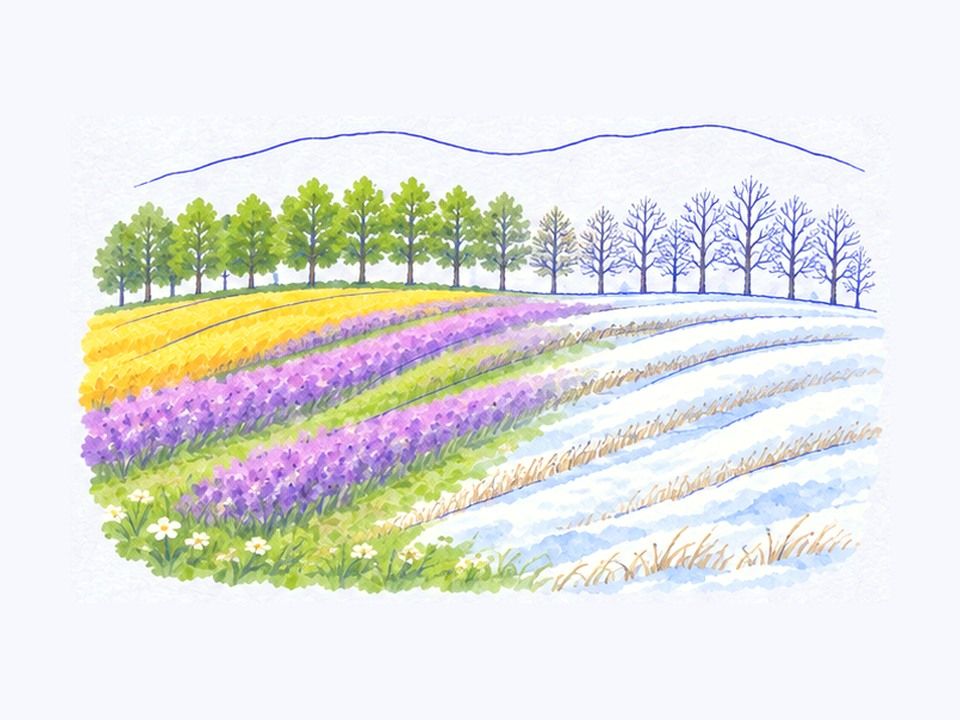
In May, cherry trees bloom before snowy peaks.
In July, the hills are striped purple and green.
In October, yellow fields meet autumn leaves.
In January, every field sleeps under snow.
Each season is worth a slow look.

When is Furano’s high season?July is the busiest.June has half as many
Furano City monthly visitors, fiscal 2025, by month (Apr–Dec 2025, Jan–Mar 2026). Furano City only; Nakafurano and Biei are not included.
July brings about 323,000 visitors: book rooms and tour buses early. June has about half, with poppies and lupins, but for a sea of purple, it has to be July. November is the quietest.
Furano month by month: scenery and crowdsEvery month has a star.Pick the one you can make
- JanSnowfields, frosted treesBusiest winter month · day -4°C165k
- FebSnowfields, winter festivalsMost reliable snow · day -2°C151k
- MarDeep snow early in the monthThaw from late in the month · day 3°C109k
- AprLast snow, adonis flowersFew people, few flowers · day 11°C75k
- MayCherry blossom, tulipsMild, not crowded · day 18°C137k
- JunPoppies, lupinsHalf of July’s visitors · day 23°C172k
- JulLavender, potato flowersBusiest of the year · day 26°C323k
- AugStraw rolls, sunflowersLavender harvest begins · day 26°C218k
- SepAutumn flowers, leaves up highComfortable weather · day 22°C162k
- OctMustard flowers, autumn leavesColours deepen · day 15°C122k
- NovLarches, first snowThe quietest · day 6°C55k
- DecSnow, lights, early darkSnow scenes from mid-month · day -1°C125k
Temperatures are 1991–2020 averages of daily highs. January–February mornings are around -14°C.
Furano in spring: April–MaySpring is a handover:white peaks, first flowers
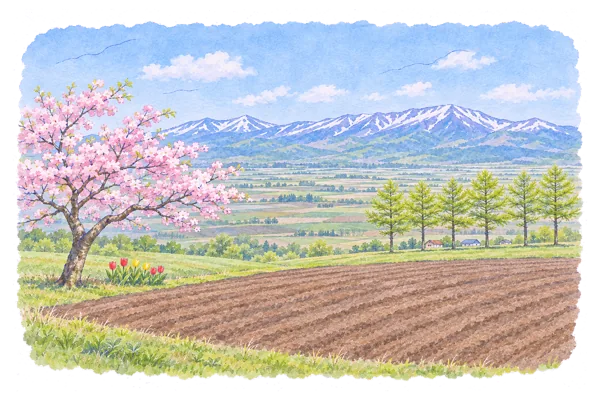
The stars are snowy peaks and the first flowers. Adonis in April, cherry blossom in early May, then tulips; freshly ploughed fields are deep brown. Take time to watch the snow retreat uphill.
That spring green may not be grassIt may well be wheat sown last September. It spent the winter under snow; without the cold, it would not form grain.
To get into the fields: farm experiences by month →
Furano in summer: June–AugustSummer is colour:purple flowers, golden wheat
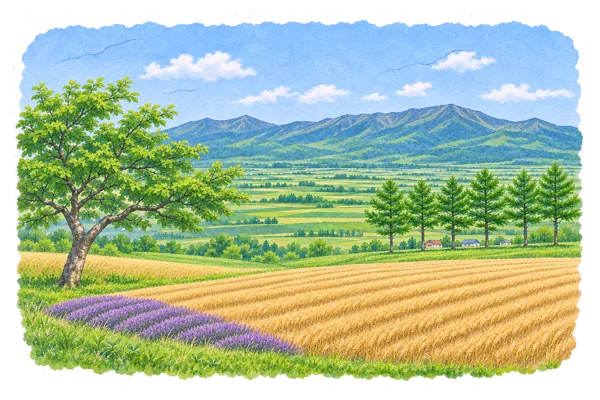
The stars are lavender and the farmland hills. June starts with poppies and lupins. Lavender begins in late June, is fullest in mid-July and is cut from late July to mid-August, when straw rolls and sunflowers take over. Take time to look: the same hill changes colour between dawn and dusk.
Cool summer nights help melons turn sweetBy day the fruit stores sugars; at night it uses them up as it breathes. Cool basin nights use up less, so more sweetness stays.
To pick your own: corn and melon experiences →
Furano in autumn: September–NovemberAutumn is harvest:colour walks downhill
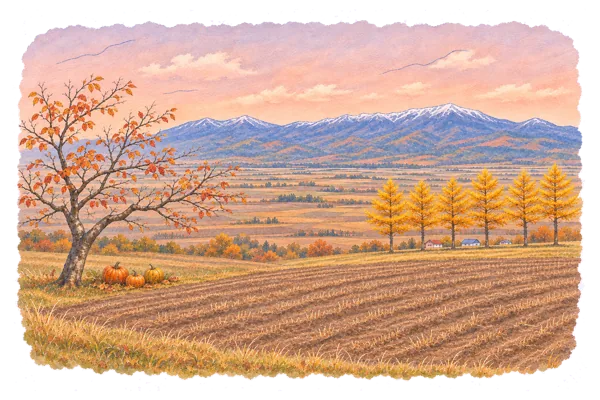
The stars are autumn leaves and fields being harvested. Colour starts on Mt. Tokachi in mid to late September and reaches town and hills in October, when mustard also flowers. November belongs to golden larches. Watch the last colour give way to snow.
Those yellow autumn fields are grown for the soilMustard is green manure. Instead of being harvested, it is ploughed in to feed the next crop.
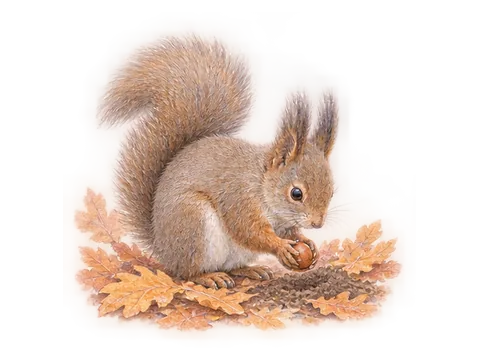
To taste the harvest: autumn pumpkins and potatoes →
Furano in winter: December–MarchWinter is quiet:snow by day, lights by night
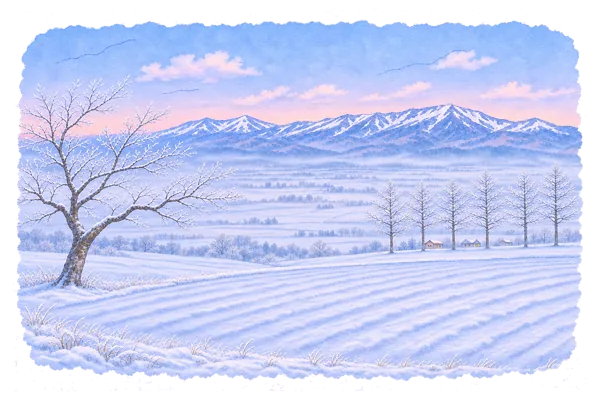
The stars are snowfields, morning mist and lights. Snow scenes are most likely from mid-December to early March, and January–February looks most like the winter you picture. On very cold mornings riverside trees can turn white with rime. Take time to look: next year’s wheat is asleep under the snow.
Furano is cold because cold air pools in the bowlOn clear, still nights chilled air sinks to the bottom of the basin, so clear mornings are especially cold. With moisture in the air, rime forms on the trees. December–March is also the ski season.
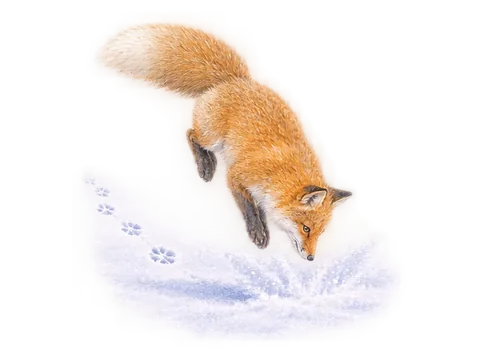

To get into the fields: digging cabbage out of snow →
A winter farm experience in Furano: cabbage under snowUnder the snow,autumn’s cabbage waits
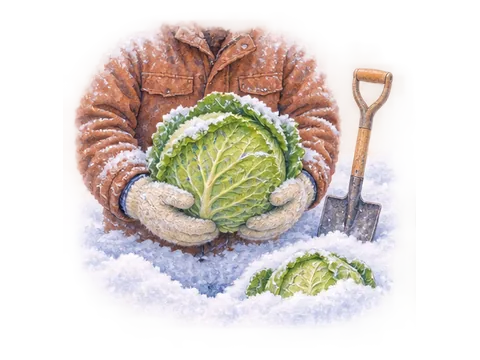
Snow up to a metre deep is the farmer’s natural fridge. To keep from freezing, the cabbage stores sugar, and turns sweet. From mid-December to late February you can brush the snow away with a Nakafurano farmer and lift one out yourself: a raw bite first, then hot cabbage-and-sausage pot-au-feu on the snow.
How to book the snow cabbage tour and what to wear →
Temperatures and highlights by month
Tap the month you are coming.
JanuarySnowfields, frost on trees
Temp.Day -4°C, dawn -14°C
SuggestedSee the snowfields. Blue Pond lights from 17:00
Good to knowNo Christmas Tree round-trip bus 1–5 January
FebruarySnowfields, winter festivals
Temp.Day -2°C, dawn -14°C
SuggestedSnow and winter festivals. Blue Pond lights from 17:30
Good to knowThe pond is iced and snowed over: no blue
MarchDeep snow early in the month
Temp.Day 3°C, dawn -8°C
SuggestedIf you dislike the cold but want snow, choose early March
Good to knowIt thaws by day and freezes at night: more slippery
AprilThaw and mud
Temp.Day 11°C, dawn 0°C
SuggestedMountains with snow left; adonis in the wild
Good to knowMost flower fields aren’t out, so don’t plan only for flowers
MayCherry blossom, turned soil
Temp.Day 18°C, dawn 6°C
SuggestedCherry blossom early, tulips from mid-month
Good to knowStill only 6°C early and late: bring a jacket
JunePoppies, lupins
Temp.Day 23°C, dawn 12°C
SuggestedFlower fields with fewer people than July
Good to knowThe wide sweeps of lavender have not started
JulyLavender, potato flowers
Temp.Day 26°C, dawn 16°C
SuggestedChoose 14–20 July, and see fields in the morning
Good to knowThe busiest month: book rooms and sightseeing buses early
AugustStraw bales, sunflowers
Temp.Day 26°C, dawn 16°C
SuggestedStraw bales, sunflowers and cosmos
Good to knowThe wettest month; lavender cutting begins
SeptemberAutumn flowers, autumn leaves in the mountains
Temp.Day 22°C, dawn 11°C
SuggestedAutumn colour around Tokachidake mid to late month
Good to knowSome sightseeing buses run only weekends and holidays
OctoberYellow mustard, red leaves
Temp.Day 15°C, dawn 4°C
SuggestedAutumn leaves in town early in the month, on the hills mid-month
Good to knowSnow is possible at month end; make sure a car has winter tyres
NovemberGolden larches, first snow
Temp.Day 6°C, dawn -2°C
SuggestedLarches and snowy peaks
Good to knowSnow is unreliable. Ningle Terrace is closed 5–26 November 2026
DecemberAll white, earliest nightfall
Temp.Day -1°C, dawn -10°C
SuggestedSnow from mid-month. Blue Pond lights from 16:30
Good to knowDark before 4 pm; be outdoors around midday
Temperatures are 1991–2020 monthly averages, rounded. Lights and closures are from 2026–27 notices.
Once you have a month, see how many days.
A summer day gives you 15 hours; in winter it is dark before 4 pm. Calculated by the National Astronomical Observatory (Furano, elevation 0 m).
Weather in detail: snow, cold and what to wear
Furano weather in each season
See how different the four seasons are, then pick your month.
 Spring Apr–MayThe snow slowly melts, leaving water and mud by the roads. April nights still freeze; by May the lowland snow is gone and days turn pleasant.The windiest time of year
 Summer Jun–AugPleasant days, sometimes hot, but mornings and evenings are cool, about 10°C lower than daytime. August is the wettest month.July is when lavender peaks
 Autumn Sep–NovShort. September is still pleasant; October needs a thicker coat morning and night. November averages about 6°C by day and below zero at night, with snow that often melts.Not true winter yet
 Winter Dec–MarThe longest season. January and February stay below zero by day, so snow doesn’t melt and roads are packed snow and ice. Dark comes early.January is coldest; snow is deepest in February and March
Actual weather in November 2026
In 2026, up to 21 November: mostly 1–10°C by day, but as low as minus 11°C at dawn. 10 cm fell on the 7th and melted within days; 6 cm more fell on the 21st, and it is unclear whether it will stay.
In November a winter coat is enough. You don’t need full snow gear yet, but shoes must be waterproof and grippy.
Why nights are so cold in Furano
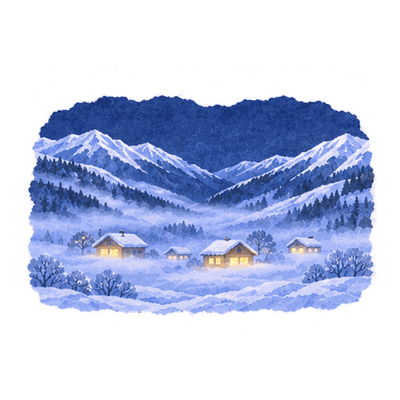
Furano sits in a basin ringed by mountains. On clear, still nights the ground loses heat; the cold, heavier air sinks and pools at the bottom, so dawns are bitter. Sapporo, by the sea and windier, mixes its air and stays less cold.
So in Furano dawn is the hardest part. By day there is little wind, so walking outside doesn’t sting your face much.
Notes from people who worked here
- August: 30°C by day, below 20°C in the middle of the night, no air conditioning needed at night (August 2025)
- Early October: 0°C and frost at dawn in Rokugo’s fields. Late October: snow on the roads already; the writer crashed on summer tyres (October 2025)
- January: minus 21°C; even a sanitiser spray left in the letterbox froze (January 2026)
Sources: a seasonal farm helper’s さすらい農業日記 (farm diary, 2025, in Japanese); A local farm blog (January 2026, in Japanese). From public accounts by people who worked here; the figures are for that year.
Tips for a first winter visit to Furano
Think about ice first, degrees second.
- The numbers look cold, but being outside feels easier.Furano has little wind, and days are mostly a few degrees below zero. The real cold is at dawn in January and February
- Minus 20 does happen, on 4 to 22 days in each of the last five winters, mostly dawns in January and February, sometimes December too
- Much colder than Sapporo: about 8 degrees colder on winter nights, but with less wind on your face
- Roads are always slippery.Snow doesn’t melt and cars press it to ice; walk and drive slowly
- Dark comes early.The sun sets at 15:57 around the solstice; plan for daylight
- Without a car: heavy snow can delay or stop JR and buses, so leave room on the way back. A winter overnight plan
- Heavy snow days (10 cm or more in a day) come 10-plus times a winter; allow extra for driving and waiting
What to wear in winter
Boots first, then the coat.
Take short steps, put the whole sole down, and don’t look at your phone as you walk. What to wear each month
Tips for a summer visit to Furano
- About 26°C by day but cool early and late: always bring a jacket
- August is rainy, so bring an umbrella
- Days are about as hot as Sapporo; being in a basin doesn’t make it much cooler
○ The numbers, for those who want detail
Average temperatures by month
Purple bars: Furano’s average low to average high. Dots: Furano’s average. Orange dashes: Sapporo’s average. Japan Meteorological Agency normals, 1991–2020.
| Month | Mean | Day high | Night low | Rain mm | Snow cm | Sapporo mean |
|---|---|---|---|---|---|---|
| JanWinter | -8.3° | -3.7° | -14.4° | 44.3 | 145 | -3.2° |
| FebWinter | -7.4° | -2.3° | -14° | 36.5 | 121 | -2.7° |
| MarWinter | -2.2° | 2.7° | -7.8° | 49.8 | 110 | 1.1° |
| AprSpring | 5.3° | 10.9° | -0.2° | 55.4 | 22 | 7.3° |
| MaySpring | 12.1° | 18.4° | 6° | 67.5 | — | 13° |
| JunSummer | 16.8° | 22.9° | 11.5° | 64.5 | — | 17° |
| JulSummer | 20.6° | 26.2° | 16° | 116 | — | 21.1° |
| AugSummer | 20.8° | 26.3° | 16.3° | 168.6 | — | 22.3° |
| SepAutumn | 16.1° | 21.9° | 11.1° | 147.3 | — | 18.6° |
| OctAutumn | 9.2° | 14.9° | 4.1° | 106.8 | 2 | 12.1° |
| NovAutumn | 2.1° | 6.4° | -2.1° | 104.2 | 72 | 5.2° |
| DecWinter | -5.1° | -1.2° | -10.2° | 71.2 | 159 | -0.9° |
Snow depth by month (cm)
Lows and snow depth in the last five winters
2021–22
-20°C or below22 days
Below 0°C all day67 days
Lowest (date)-26.6(1/20)
Deepest snow cm101
2022–23
-20°C or below17 days
Below 0°C all day69 days
Lowest (date)-31.8(1/30)
Deepest snow cm77
2023–24
-20°C or below11 days
Below 0°C all day78 days
Lowest (date)-26.1(1/21)
Deepest snow cm75
2024–25
-20°C or below4 days
Below 0°C all day70 days
Lowest (date)-22.0(1/19)
Deepest snow cm63
2025–26
-20°C or below14 days
Below 0°C all day57 days
Lowest (date)-26.7(1/24)
Deepest snow cm67
Daily data from the Japan Meteorological Agency’s Furano station, counted day by day from November to March.
How Furano’s weather differs from Sapporo’s
| January night | Sapporo -6.4°C / Furano -14.4°C |
| August day | Sapporo 26.4°C / Furano 26.3°C |
| January wind | Sapporo average 3.3 m/s / Furano 1.3 m/s |
Furano: what to do nextWant to go?Here’s what to do
- Choose
- July for flowers, June for flowers with half the visitors, Jan–Feb for snow
- Book
- Rooms and tour buses for July
Questions people ask
When does it start snowing in Hokkaido?
In Furano, flurries start from late October to November and often melt within days. In the last five years lasting snow began between 24 November and 13 December, mostly in early December.
Which months have snow?
Mid-December to early March is safest. Late March is uncertain: in three of the last five years the snow was down to 0 cm by 24–27 March.
What is the best month for Hokkaido?
It depends: snow mid-December to early March, lavender in July, comfortable weather in May, June and September.
Is August very hot?
Not on average: about 26°C by day and around 16°C at night, though some days pass 30°C. August is also the wettest month.
Does it really reach minus 30?
Rarely: just 1 day in the last five winters (30 January 2023). Minus 20 is more common, mostly dawns in January and February, sometimes December.
Summer’s flower fields all lie under snow in winter.
The fields aren’t resting, only quiet.
The day the snow melts, spring comes back out of the soil.
Read next
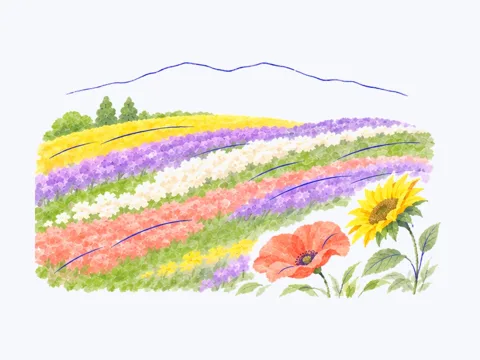 Furano flower calendar: what blooms each monthFor flowers, see what blooms each month→
 First trip to Hokkaido: is Furano worth the detour?Fitting Furano into a first trip→
 Stay a night in Furano and take a morning walk by the fieldsMonth chosen: now how many days→
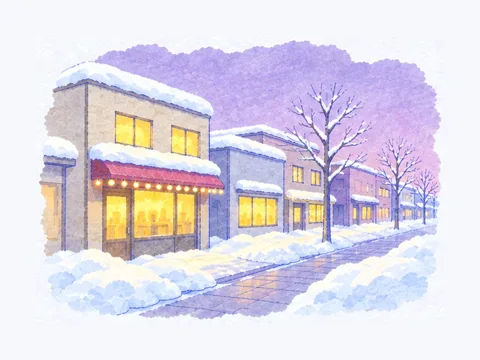 Furano in December: weather, events and closuresDecember’s dates, already looked up→
Sources (13)
- Biei Tourism Association: winter clothing (20 November 2026)
- Furano Tourism Association: clothing
- Sapporo Fire Bureau: walking on snow
- Furano Tourism Association: multi-calendar
- Biei Tourism Association: yellow mustard
- Biei Town: Blue Pond illumination
- Shin Furano Prince Hotel: 2026 closures
- Biei Tourism Association: winter sightseeing buses 2026–27
- National Astronomical Observatory of Japan: sunrise and sunset
- Furano Tourism Association: transport
- Japan Meteorological Agency: Furano normals (1991–2020)
- Japan Meteorological Agency: Sapporo normals
- Japan Meteorological Agency: Furano daily data
Main sources:Furano City visitor statistics, fiscal 2025