
 Life, work and moving
2026.11 Furano, Hokkaido Notes before packing
Furano at minus twenty: what to wear outside
Clothes for each winter month, and how to choose snow boots
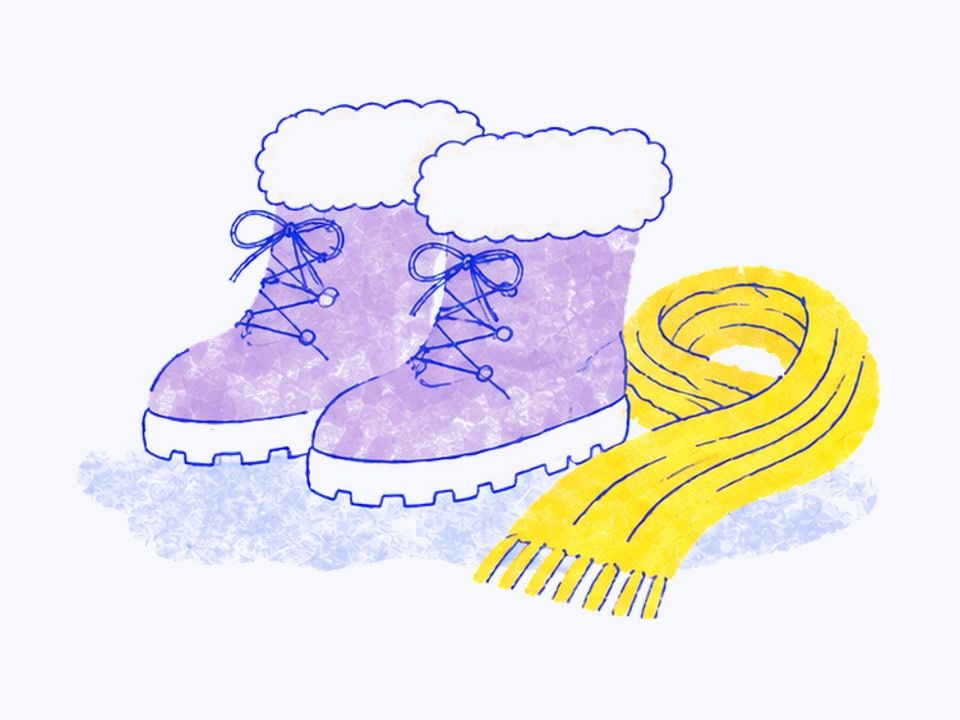
Come to Furano in winter,
and your feet get cold first.
Feet are where trouble starts.
Pack snow boots first,
your coat after them.
What to wear each month
Tap the month you're coming.
NovemberSnow falls, then melts
Temperature6 degrees by day, -2 degrees at dawn
WearWinter coat, jumper; no snow trousers yet
Before you go outThe ground is wet and freezes at night. Shoes should be waterproof and non-slip
DecemberSnow starts to settle
Temperature-1 degree by day, -10 degrees at dawn
WearThree layers + thermal trousers, hat, gloves
Before you go outDark before 16:00, and it gets cold fast after that
JanuaryThe coldest month
Temperature-4 degrees by day, -14 degrees at dawn
WearAll three layers thick; add snow trousers for long spells outdoors
Before you go outSome mornings drop below minus 20 degrees
FebruaryThe deepest snow
Temperature-2 degrees by day, -14 degrees at dawn
WearSame as January
Before you go outOn sunny days the snow is dazzling; bring sunglasses
MarchMelts by day, freezes by night
Temperature3 degrees by day, -8 degrees at dawn
WearThree layers; take off the middle one when the day warms up
Before you go outWaterproofing matters more than thickness; take most care on the roads in the evening
Temperatures are the Japan Meteorological Agency's monthly averages for Furano, 1991–2020, rounded. A cold snap can bring them much lower, so check the weekly forecast before you leave.
How to wear three layers in winter
Layers you can take off beat one very thick one.
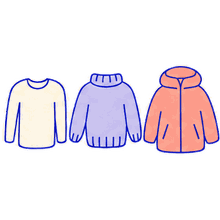
Trousers work the same way: thermal trousers underneath; for long spells in the snow, add waterproof snow trousers on top.
Snow boots should be non-slip, waterproof and warm
Miss any one of the three and you'll regret it.
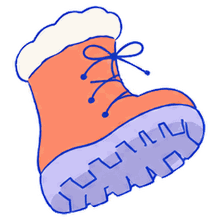
Walk in small steps, put the whole sole down, and keep your feet about 20 cm apart.
What to add for skiing, the lights and walks
How long you're outside matters more than how cold it is.
Small things to carry in winter
Small, but you'll use them.
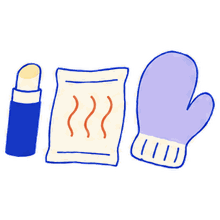
- Phones hate the cold, so bring a power bank
- Snow reflects light, so bring sunglasses
- It's very dry, so bring lip balm
- Heat packs, for waiting for buses
What people working there wrote down
- January: minus 21°C; a spray bottle left in the letterbox froze, liquid and all (January 2026)
Source: a local farm blog (January 2026). Taken from a public record by someone working locally; the figures are from that day.
FAQ
Do I need snow boots in November?
You need waterproof, non-slip shoes. The snow hasn't settled yet, but melted snow freezes again; if you don't want to bring two pairs, just wear snow boots.
Is a down jacket bought in Taiwan enough?
Yes, if it's windproof and waterproof with room for a layer underneath. A thin down jacket alone isn't enough; it works best as the middle layer.
Can I dress the same as for Sapporo?
Add one more layer. Furano is a few degrees colder than Sapporo even by day, and the biggest gap is at dawn: in January and February, about 8 degrees colder than Sapporo.
Does it really reach minus 30 degrees?
Rarely: on just 1 day in the last five winters. Below minus 20 degrees happens on 4 to 22 days a winter, mostly at dawn.
Dress warmly enough,
and you won't dwell on the cold.
You're free to look up at the snow.
Read next
 Summer flowers or winter snow: when should you visit Furano?Temperatures each month, and when the snow settles→
 On a winter night, see the Blue Pond lit up in the snowHow long you'll wait outside→
 Stay a night in Furano and take a morning walk by the fieldsPlanning two days and one night in winter→
Sources: 7
- Biei Tourism Association: winter clothing (20 Nov 2026, Japanese)
- Furano Tourism Association: clothing (Japanese)
- Sapporo City Fire Bureau: walking on snowy roads (Japanese)
- Japan Meteorological Agency: Furano normals (1991–2020)
- Japan Meteorological Agency: Furano daily data (winters 2021–2026)
- Biei Tourism Association: winter sightseeing buses (Japanese)
- A local farm blog (Japanese)